
How to increase ATP production is a question researchers are paying closer attention to — especially as more people in their 30s and beyond notice that their energy simply doesn’t respond the way it used to.
You sleep. You eat reasonably well. You move. And yet the energy output doesn’t match the input.
That gap has a cellular explanation. And understanding it is the first step toward actually doing something about it.
Disclosure: This article may contain affiliate links. If you purchase through these links, we may earn a commission at no additional cost to you.
Why ATP Production Declines In The First Place
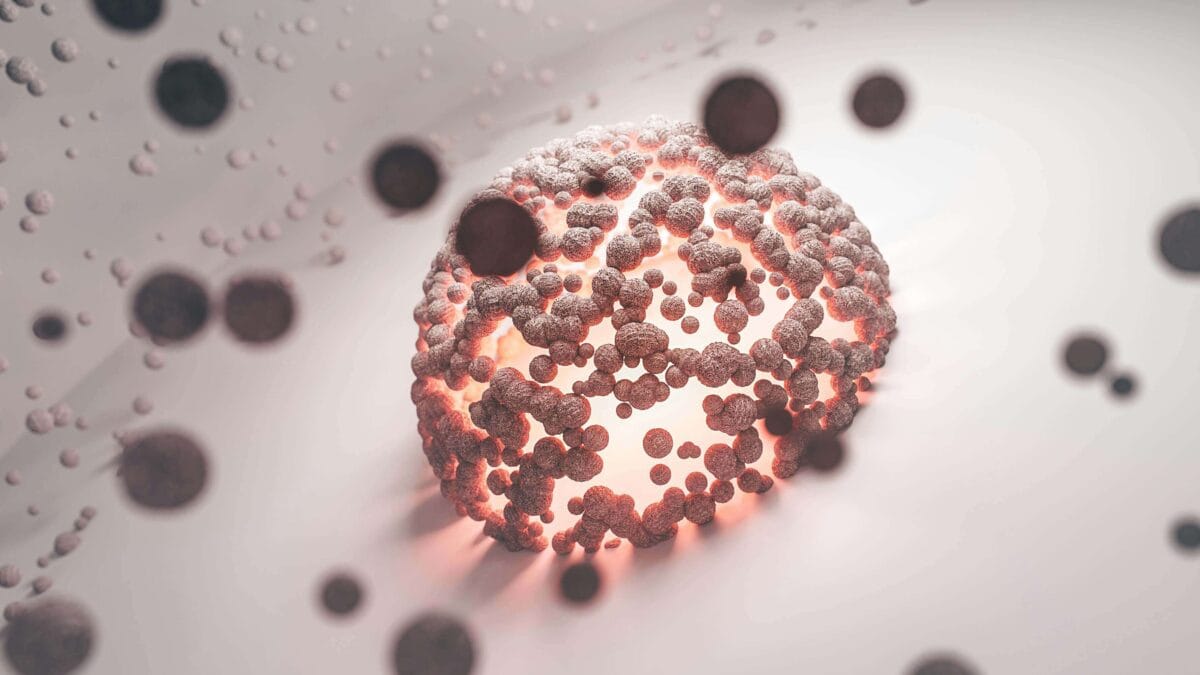
ATP — adenosine triphosphate — is the molecule your cells use to power everything. Every muscle contraction, every thought, every heartbeat runs on it.
The problem isn’t that your body stops making ATP. It’s that the efficiency of production begins to decline. Research suggests this process can begin as early as the mid-30s, driven primarily by changes in mitochondrial function.
Mitochondria are the structures inside cells responsible for converting nutrients into ATP. When their efficiency drops, cells produce less energy from the same amount of food — and no lifestyle adjustment fully compensates for that at the surface level.
To understand the full process, it helps to first understand how ATP energy production works at the cellular level.
Support Mitochondrial Efficiency Through Movement
Physical activity — particularly resistance training and moderate aerobic exercise — is one of the most studied ways to support mitochondrial activity.
When muscles are consistently challenged, the body signals for mitochondrial biogenesis — the process of creating new, more efficient mitochondria. More mitochondria means more capacity to produce ATP.
The key is consistency and recovery. Pushing without adequate rest can deplete ATP reserves faster than they’re replenished.
This is one of the most accessible ways to naturally support how to increase ATP production over time.
Prioritize Sleep As A Cellular Process
Most people think of sleep as rest. Biologically, it’s when mitochondria complete their repair cycle.
Mitochondrial repair happens predominantly during deep sleep stages. When sleep is cut short or fragmented, that repair cycle is incomplete — and the next day’s ATP production starts from a compromised baseline.
This is one reason why people who are always tired after 30 often find that more sleep doesn’t fix the problem. If the repair process itself is inefficient, duration alone doesn’t solve it.
Provide The Right Nutritional Raw Materials
Cells can’t produce ATP without the right inputs. Several nutrients act as co-factors in the metabolic pathways that generate ATP inside mitochondria:
B vitamins — essential for converting glucose and fatty acids into usable cellular fuel.
Magnesium — required for ATP synthesis reactions. Without adequate magnesium, ATP molecules can’t be properly activated.
Coenzyme Q10 — a compound naturally present in mitochondria, studied for its role in the electron transport chain where most ATP is generated.
Antioxidants — oxidative stress can damage mitochondrial membranes, reducing their efficiency. Antioxidant support helps protect the structures where ATP production happens.
Understanding how the body converts nutrients into cellular energy explains why nutrition affects energy at a much deeper level than most people realize.
Manage Oxidative Stress
ATP production generates oxidative byproducts as a natural part of metabolism. Under normal conditions, the body neutralizes these efficiently.
When oxidative stress accumulates — through poor sleep, chronic stress, or inadequate nutrition — it damages the mitochondrial structures responsible for ATP synthesis. The result is reduced output from the same cellular machinery.
Reducing chronic stress and supporting antioxidant pathways are increasingly discussed in research as foundational to maintaining mitochondrial efficiency over time, according to findings published by the National Institutes of Health
Explore Targeted Mitochondrial Support
As research into cellular energy has expanded, so has interest in compounds that may specifically support mitochondrial function.
Plant-based antioxidants — including Maqui Berry, Astaxanthin, and Rhodiola — are among the compounds being studied for their interaction with mitochondrial pathways. These aren’t stimulants. They work at the level of cellular machinery rather than borrowing energy from the nervous system.
Curious what researchers found? The specific compounds being studied for mitochondrial support — and how they interact with ATP production pathways — are covered in detail in our companion guide. → See the full breakdown
Why This Matters More Than Most People Realize
Learning how to increase ATP production isn’t about hacking your energy. It’s about understanding where energy actually comes from — and why surface-level solutions consistently fall short.
Caffeine, for example, stimulates the nervous system but does nothing for ATP synthesis. Exercise helps — but only when recovery supports mitochondrial repair. Diet provides raw materials — but only when the cellular machinery can use them efficiently.
The pattern points to one underlying system. And that system is increasingly understood as the foundation of daily energy after 30.
Final Thoughts
How to increase ATP production naturally starts with understanding what drives its decline. Mitochondrial efficiency, nutrient availability, oxidative stress, and recovery quality are all interconnected factors that research continues to explore.
Supporting these systems doesn’t require dramatic interventions. It requires understanding the right level — the cellular level — where energy is actually produced.
For a deeper look at how metabolism and mitochondrial function are connected, read: Why Metabolism Slows Down After 30: The Mitochondria Connection
Understanding how to increase ATP production means working with your biology — not against it.
Medical Disclaimer: The information provided in this article is for educational and informational purposes only and is not intended as medical advice. Always consult a qualified healthcare professional before making decisions related to your health.